Various Photos of Japan 2
- Tennoji
- sample plastic food infront of Royal Host
- Cold winter in Kansai
- Aids for victims of Tsunami Friday, 11 March 2011
- Crocodile Dundee
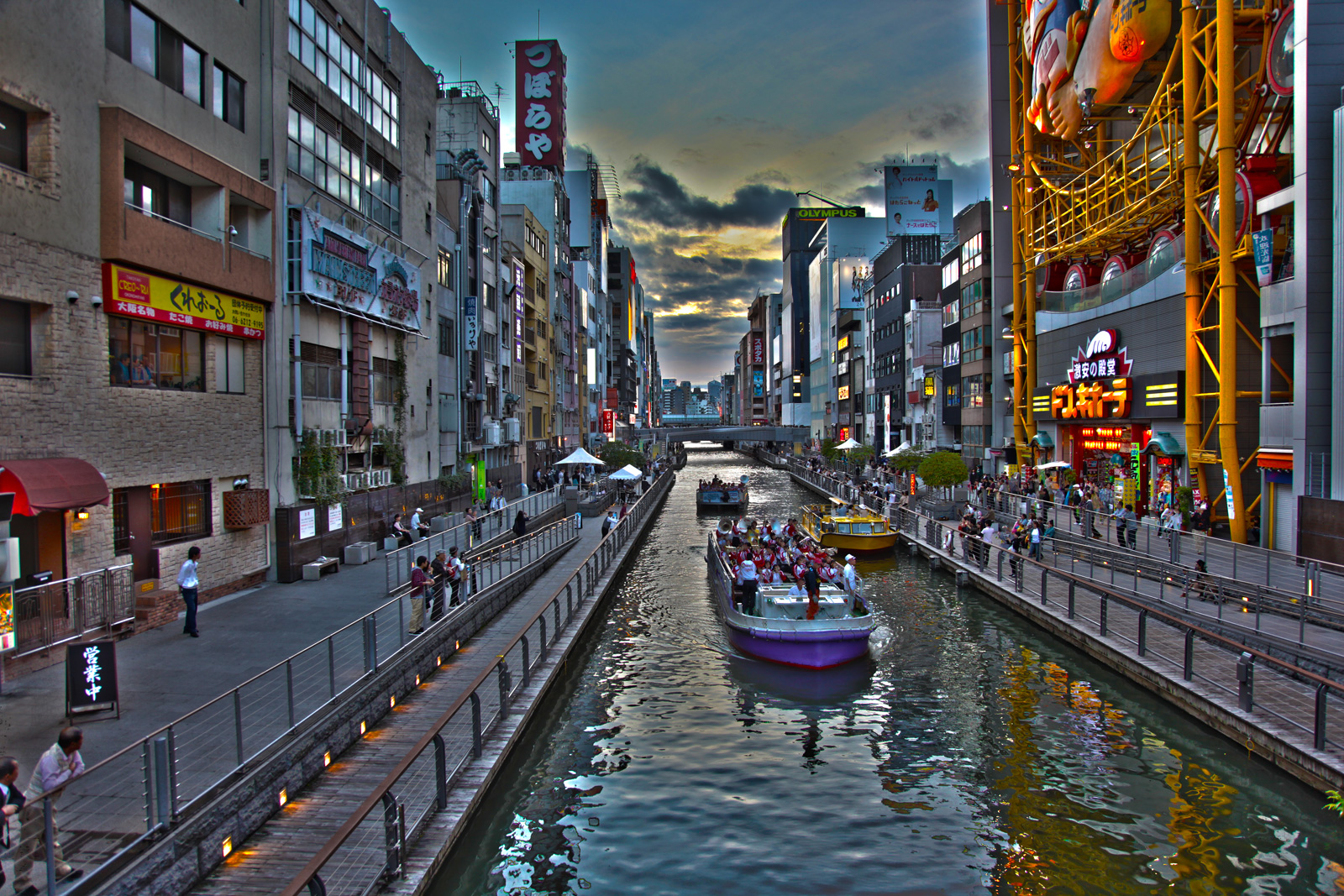
Dotonbori
Dotonbori, is one of the principal tourist destinations in Osaka, Japan. It is a single street, running alongside the Dotonbori canal between the Dotonboribashi Bridge and the Nipponbashi Bridge in the Namba ward of Osaka. A former pleasure district, Dotonbori is famous for its historic theaters (all gone now), its shops and restaurants, and its many neon and mechanized signs, including snack/candy manufacturer Glico’s giant electronic display of a runner crossing the finish line.
History
Dotonbori traces its history back to 1612, when a local entrepreneur, D?ton Yasui, began expanding the tiny Umezu River, which ran east to west, hoping to increase commerce in the region by connecting the two branches of the Yohori River, which ran north to south, with a canal. D?ton’s project was interrupted when he died defending Toyotomi Hideyori in the ill-fated Siege of Osaka, but his cousins finished the canal in 1615. The new lord of Osaka Castle, Tadaki Matsudaira, named the canal and avenue beside it Dotonbori (“bori” from “hori”, meaning “canal”), even though Doton had been on the losing side during the siege.
The character of Dotonbori became defined in 1621 when the newly minted Tokugawa Shogunate instituted urban planning, designating Dotonbori as the entertainment district of Osaka. By 1662 the avenue boasted six Kabuki theaters and five Bunraku theaters, as well as the unique Takeda Karakuri mechanical puppet theater. Many restaurants and cafes were built to cater to the flood of tourists and entertainment-seekers pouring nightly into Dotonbori.
Over the years, declining interest in traditional forms of entertainment led to the closing of most of Dotonbori’s original attractions. Its five remaining theaters were bombed and destroyed during World War II.
Okonomiyaki in Namba
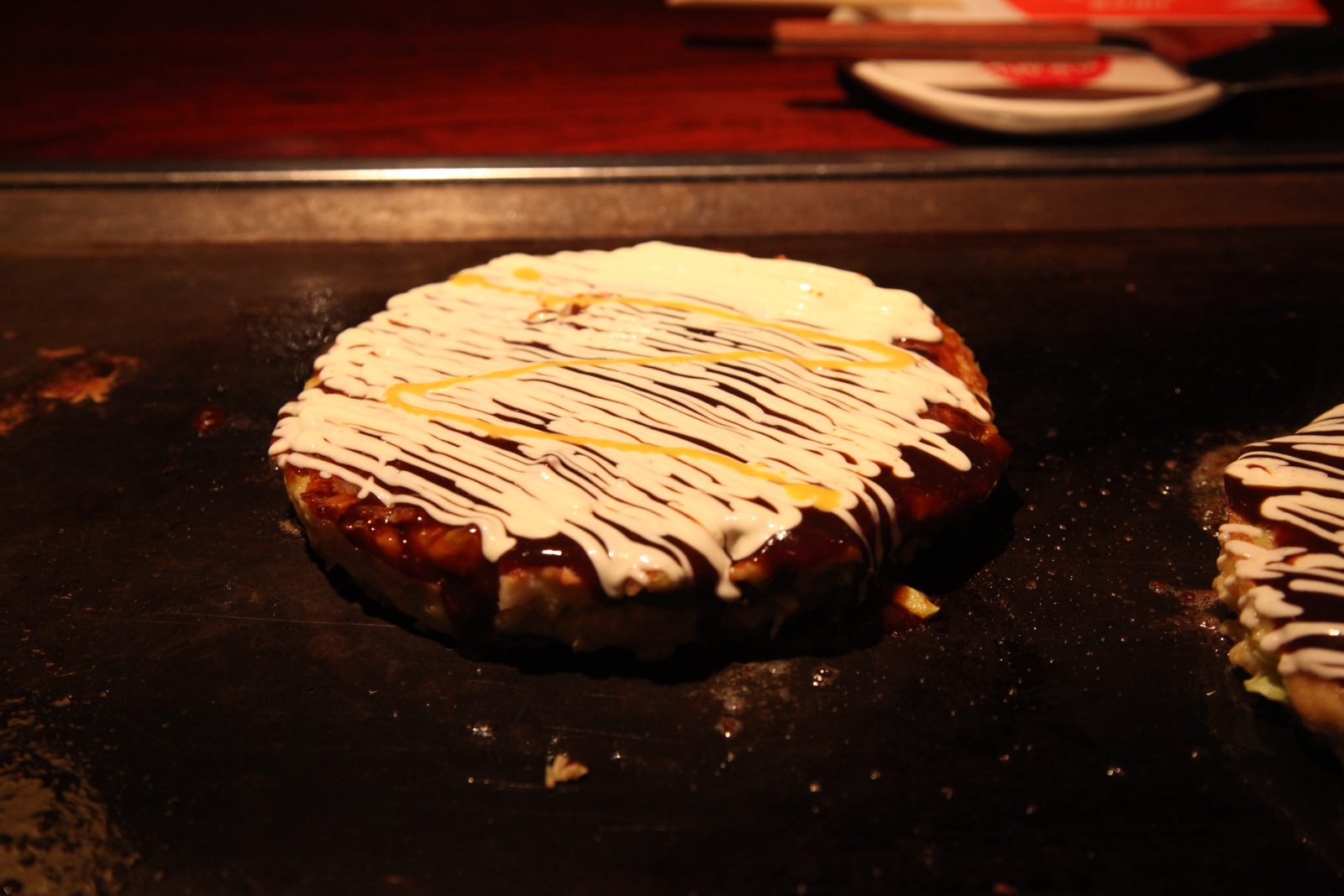
Okonomiyaki is a Japanese savory pancake containing a variety of ingredients. The name is derived from the word okonomi, meaning “what you like” or “what you want”, and yaki meaning “grilled” or “cooked” (cf. yakitori and yakisoba). Okonomiyaki is mainly associated with Kansai or Hiroshima areas of Japan, but is widely available throughout the country. Toppings and batters tend to vary according to region. Tokyo okonomiyaki is usually smaller than a Hiroshima or Kansai okonomiyaki.
Kansai- or Osaka-style okonomiyaki is the predominant version of the dish, found throughout most of Japan. The batter is made of flour, grated yam, water or dashi, eggs and shredded cabbage, and usually contains other ingredients such as green onion, meat (generally pork or bacon), octopus, squid, shrimp, vegetables, kimchi, mochi or cheese. Okonomiyaki is sometimes compared to an omelette or a pancake and may be referred to as “a Japanese pancake” or even “Osaka soul food”.
Source: Wikipedia.
- Its called teppan yaki, and here you will mix theraw ingredients to make “okonomiyaki”
- This time, “Buta Okonomiyaki” Pork meet but could be bacon
- Raw ingredients over “teppan”
- shape it with metal spatula
- Pork meet over the mixed raw
- 5 minutes
- 5 minutes
- Almost done after 10 minutes over the “teppan”
- Typical Japanese style “Okonomiyaki restaurant in Namba”
- Waitress didn’t like me taking photos all the time
- Cover with yummy Mayonnaise and a bit of spicy mustard
- fully seasoned with sauce, mayonnaise and katsuobushi dried, fermented, and smoked tuna
- and after 10 minutes you are ready to get another great experience in the typical Namba cuisine
- you can used “ohashi” or better and easier with this metal spatula
Set “Asahi” cold delicious draft beer and Okonomiyaki for only 900 yens, ( 12 USD)
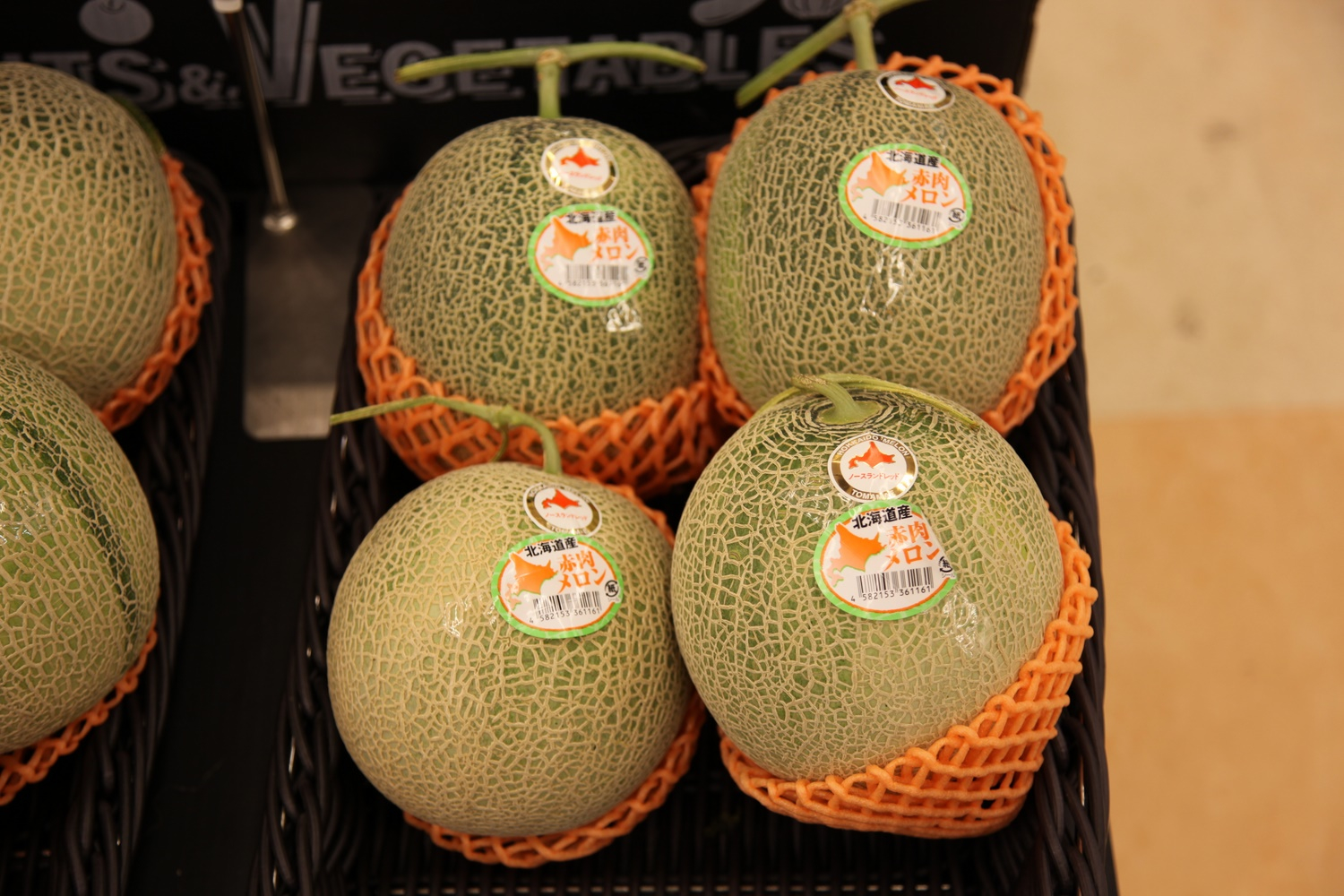
Supermarket in Japan
Watermelon auctioned for $6,100 in Japan
A black jumbo watermelon auctioned in northern Japan fetched a record $6,100 Friday, making it the most expensive watermelon ever sold in the country — and possibly the world.
The 17-pound premium “Densuke” watermelon, grown only on the northern island of Hokkaido, was purchased by a marine products dealer who said he wanted to support local agriculture, according to Kyodo News agency.
In a country where melons are a luxury item commonly given as gifts, the watermelon’s hefty price tag follows another jaw-dropping auction last month, where a pair of “Yubari” cantaloupe melons sold for a record $23,500.
Source: http://www.msnbc.msn.com
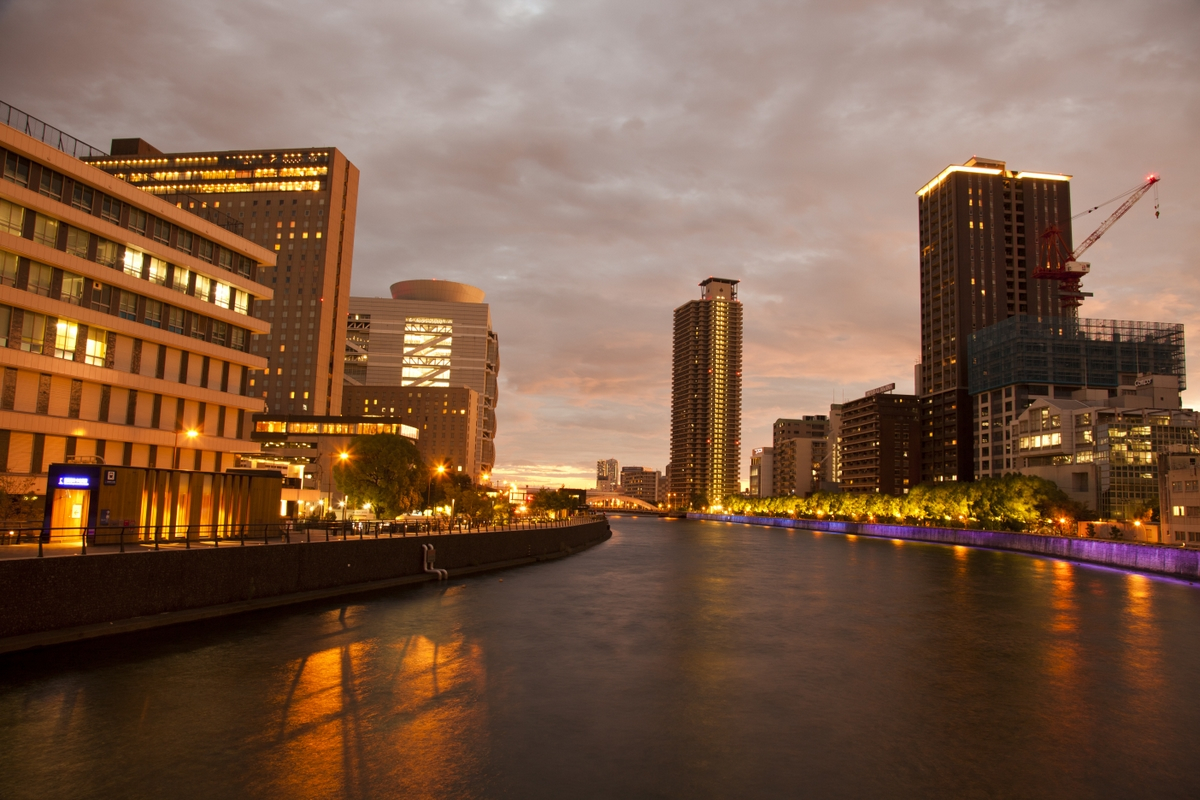
Osaka – Fukushima
Fukushima-ku is one of 24 wards of Osaka city, Japan.
The ward is primarily a residential quarter, but has some office buildings and a commercial district, as well as factories and wholesale businesses. In recent years, many high rise apartment buildings and office buildings have been built in this ward, because it is close to the Umeda and Dojima business centers.
As of 2008, the number of residents is 63,237. Land area is 4.67 square km. It is bordered by Yodo River on the north, and Dojima River on the south.
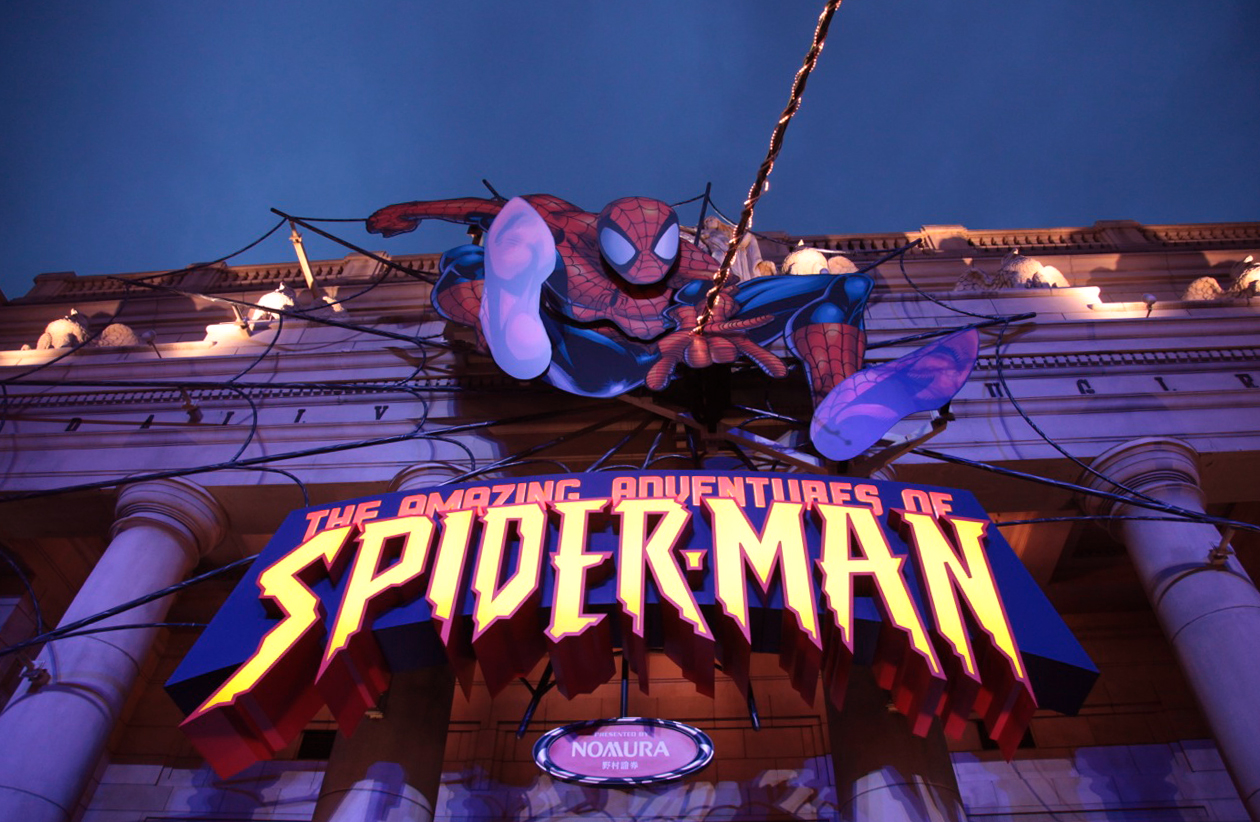
Universal Studios Japan
Located in Osaka, is one of four Universal Studios theme parks, owned and operated by USJ Co., Ltd. The park is similar to Universal Orlando Resort, since it contains many of the same rides. Most visitors are Japanese tourists or tourists from other Asian countries such as Taiwan, Hong Kong, and South Korea. In 2005 Goldman Sachs became the largest shareholder in Universal Studios Japan. Universal still has a small minority stake in the park. The park opened on March 31, 2001. 11 million guests entered Universal Studios Japan in its first year of operation, the fastest any park reached that milestone.
Source: Wikipedia.
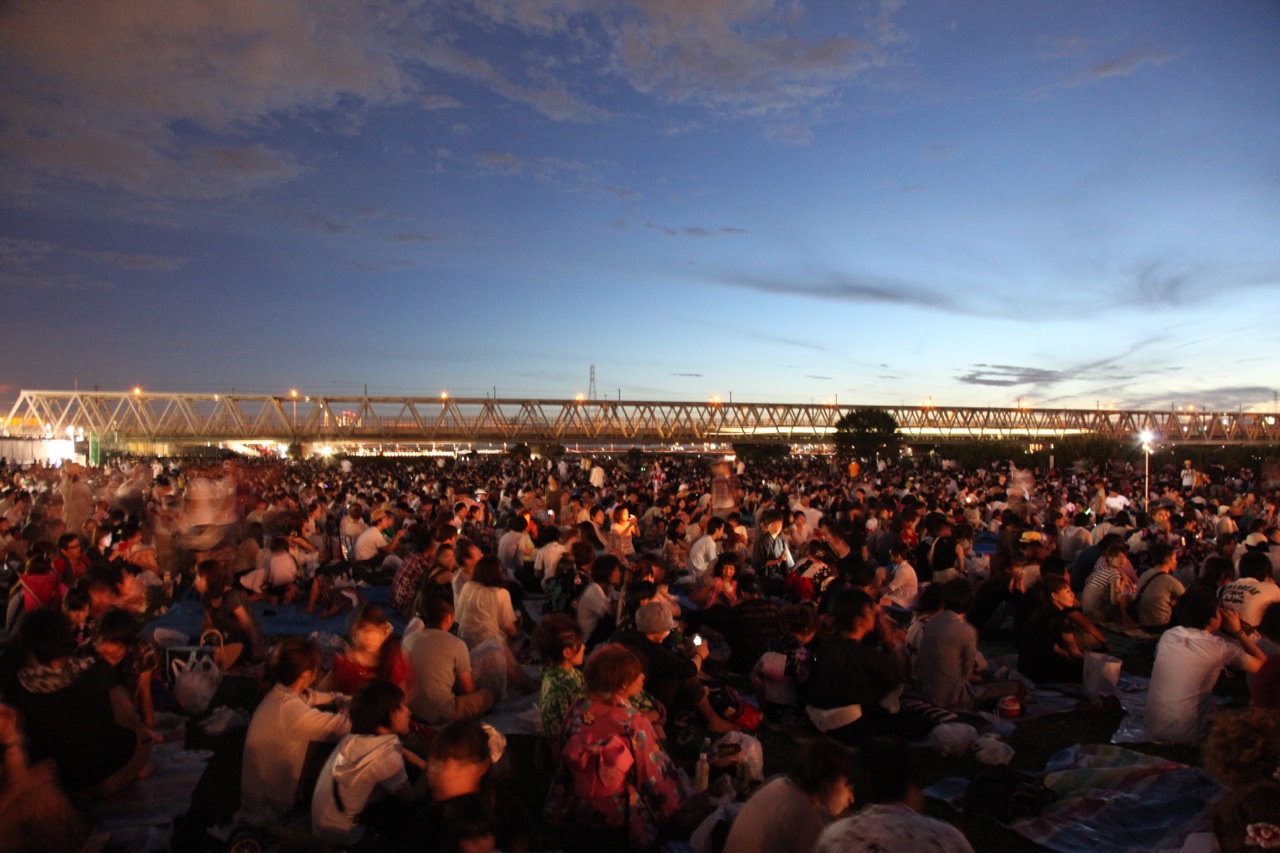
Yodogawa Hanabi 2011
One of Osaka’s biggest and most spectacular fireworks events (hana-bi) takes place on August 6th. If you are in town on this Saturday evening, you will definitely want to catch the Naniwa Yodogawa Fireworks show.
Started in 1988, this event has become incredibly popular among residents of the region. The fireworks are lit on the banks of the Yodogawa (Yodo River), where you can expect massive crowds to turn out for this event — a spectacle in and of itself!
The show officially starts at 7:50 PM, and concludes at 8:36 PM. (Japanese timing is precise!)
There are many locations where you’ll be able to catch the fireworks. The far side river bank near Hankyu Juso Station may be the best vantage point, but some of this space is taken up by paid seating.
Within Umeda, facing the river, you should be able to glimpse most of the action without much effort. Just make sure to remind yourself to be outside when the show begins.
Source: http://osakahotel.blogspot.com/
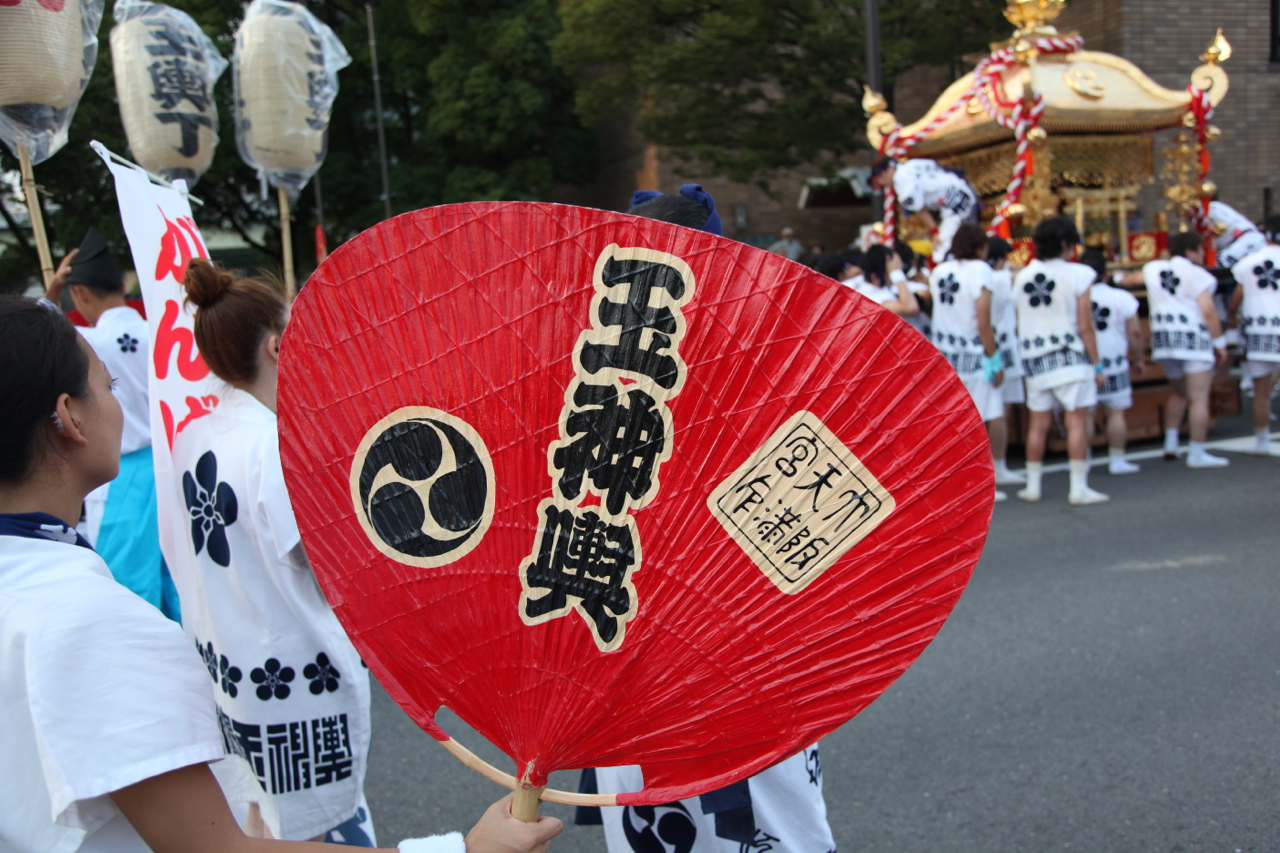
Tenjin Matsuri
Date: July 24th and 25th
Place: Osaka Tenman Shrine
City: 2-1-8 Tenjinbashi, Kita-ku, Osaka City, Osaka Prefecture
Having a history of more than 1,000 years, the Tenjin Matsuri, which is one of the three greatest festivals of Japan, is also the world’s greatest boat festival. It is a summer festival held at the Tenman Shrine dedicated to Sugawara-no-Michizane (845-903), who is deified as Tenman Tenjin, the patron god of learning and art. On the days of the festival, traditional Japanese performing arts such as kagura music, which is performed when paying homage to gods, and bunraku theatrical performances using puppets are performed in all parts of the city, and the entire city becomes filled with a festive mood.
Source: http://www.jnto.go.jp
WIDGETS NEEDED!
Go ahead and add some widgets here! Admin > Appearance > Widgets


Posted under: